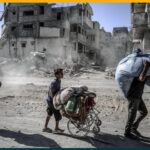
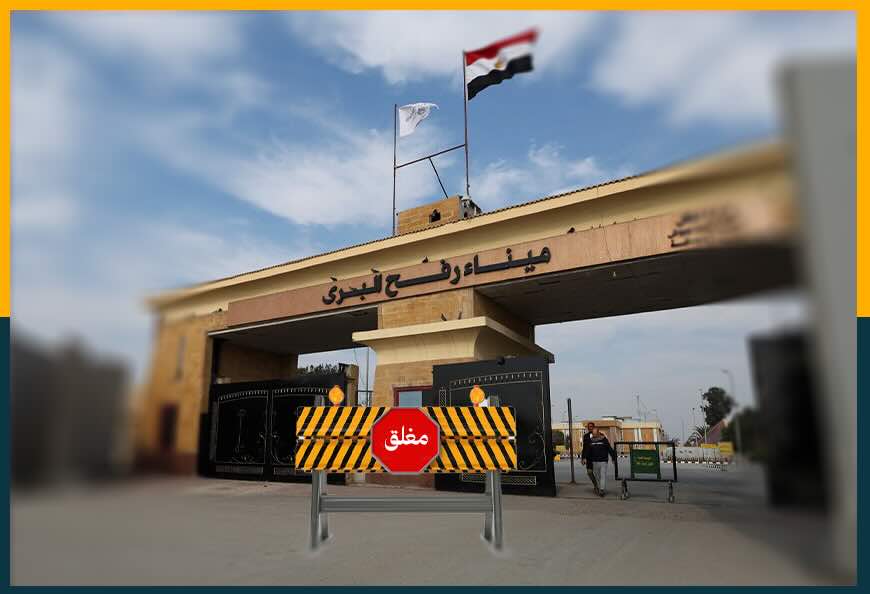
Between unfulfilled promises and understandings that never materialised, the Rafah border crossing remains closed, leaving over two million Palestinians in Gaza trapped behind what was once called the “gateway of life.”
Months after the announcement of a ceasefire between Israel and Hamas, very little has changed. Control of the crossing remains a political and security dispute, reflecting the long crisis that has shaped life in Gaza for nearly two decades.
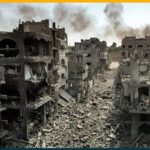
Rafah, on Gaza’s southern edge, is jointly managed by the Palestinian and Egyptian authorities. It is Gaza’s only direct link to Egypt and the outside world, yet it has been struck multiple times by Israeli air attacks since the start of the war on Gaza in October 2023.
The closure dates back to 7 May 2024, when Israeli forces stormed Rafah city and seized the Palestinian side of the crossing, halting all travel and humanitarian aid. Since then, the crossing has become a bargaining chip among Israel, the Palestinian Authority, and Hamas, while Egypt seeks a new operational arrangement under international mediation.
Israel insists that reopening must follow “security arrangements” preventing any military use, while Hamas condemns these demands as political coercion undermining the ceasefire. The Palestinian Authority proposed resuming partial operations to allow the return of stranded travellers, but Israel rejected the plan and kept Rafah closed “until further notice.”
Diplomatic sources suggest a proposal placing the Palestinian Authority in charge with support from the EU Border Assistance Mission (EUBAM Rafah), while Israel would retain technical oversight and Egypt would handle on-site coordination. Yet the process remains blocked, reportedly due to Israel’s demand that Hamas hand over the remains of its soldiers and captives.
Gaza’s Government Media Office reports more than forty-seven Israeli violations since the ceasefire took effect, resulting in thirty-eight deaths and over one hundred and forty injuries during the first week of the truce.
Between a truce that is not honoured and a crossing that remains sealed, Gaza continues to face a suffocating reality, a population held between political calculations and daily survival.