As the humanitarian catastrophe in Gaza deepens, with entire families erased, neighbourhoods levelled, and starvation weaponised against a besieged population, Western news outlets find themselves at a critical juncture. After months of relentless attacks by the Israeli occupation in what many now recognise as a genocidal war, the language of reporting is beginning to shift.
Gaza is transforming the global conversation. Between a reawakening of conscience and mounting public pressure, a noticeable change is emerging in how news outlets across the West cover the reality on the ground.
In a development rarely seen, several major news outlets have begun using more honest and accurate language when covering the Israeli occupation’s war on Gaza. This shift includes public acknowledgements of past editorial failures, visible responses to audience demands, and growing dissent within newsrooms.
This change raises urgent questions. What is the responsibility of journalism during mass atrocity? Can neutrality still apply when thousands of civilians are being deliberately targeted? And to what extent can grassroots mobilisation reshape long-standing editorial choices?
In recent weeks, news outlets such as The New York Times and CNN have faced internal protest. Hundreds of journalists have signed open letters calling for fair and balanced coverage. These appeals have rejected the traditional alignment with the Israeli perspective and demanded recognition of the Palestinian narrative.
Beyond the newsroom, protests and sit-ins have taken place across major Western capitals. Activists have stood outside leading news offices, demanding professional journalism that does not erase or downplay the suffering in Gaza.
The shift is particularly visible in the language now being used. MSNBC, for instance, has referred to the “Israeli occupation” and used terms such as “ceasefire” rather than vague expressions like “Middle East tensions.” This linguistic change reflects an increasing awareness that traditional phrasing no longer captures the scale of what is taking place.
In a rare act of institutional reflection, The New York Times published a critical editorial acknowledging repeated shortcomings in its coverage. It admitted to neglecting the Palestinian perspective and failing to adequately report on the suffering of civilians in Gaza. For one of the most influential news outlets in the world, this admission signals a significant moment.
Independent journalism and social media have played a central role in challenging the monopoly over the narrative. Graphic footage, survivor testimonies, and verified reports from human rights organisations have dominated online spaces, making it impossible for traditional outlets to ignore what is unfolding.
At the same time, prominent Western journalists have begun to speak more openly. Some are now directly criticising Israeli policy and focusing attention on the humanitarian disaster resulting from the occupation’s actions. These shifts reflect the weight of professional conscience as well as growing global public scrutiny.
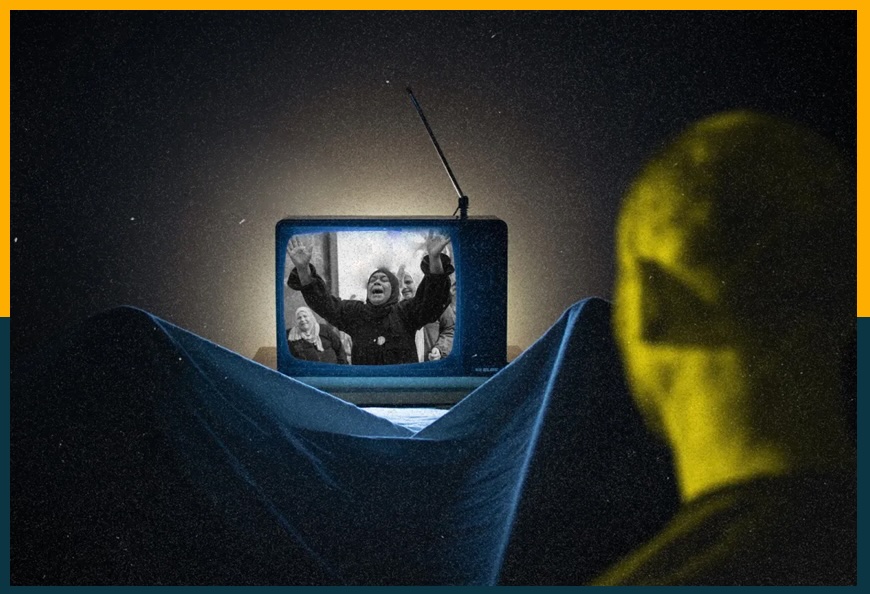
This transformation is part of a broader reckoning in journalism. As the atrocities in Gaza are broadcast in real time, the notion of neutrality becomes harder to defend. Remaining silent, or continuing to sanitise the language, is no longer a credible option.
Meanwhile, the Israeli response has been forceful. Lobby groups supportive of the occupation have launched campaigns against outlets that shift their tone, accusing them of being biased in favour of Palestinians. Journalists have been threatened with dismissal or defamation for breaking from the official narrative.
In summary, the shift in how Western news outlets are reporting on the Israeli occupation’s war on Gaza marks a potentially defining moment. It is a test of integrity, a challenge to longstanding bias, and an opportunity for journalism to reclaim its role as a force for truth.
But the central question remains. Will this change endure, or is it merely a reaction to a reality too brutal to conceal?